ಝಾಕಣಿ: ಪಾತ್ರೆಯ ಮೇಲೆ ಮುಚ್ಚುವ ಪ್ಲೇಟು
Saturday, June 02, 2007
ಉತ್ತರ ಕರ್ನಾಟಕದ ಕನ್ನಡ ಶಬ್ದಕೋಶ
ದಯಮಾಡಿ ನಿಮಗ ಗೊತ್ತಿರ್ರೊ ಉತ್ತರ ಕರ್ನಾಟಕದ ಕನ್ನಡ ಶಬ್ದಗಳನ್ನ ನನಗ ಈ-ಮೇಲ್ ಮಾಡ್ರಿ, ಅಥವಾ commentsನ್ಯಾಗ ಬರೀರಿ. ಈ ಶಬ್ದಕೋಶ ಬೆಳಸಲಿಕ್ಕೆ ಸಹಾಯ ಮಾಡ್ರಿ.
ಅ:
ಅಗದೀ, ಅಗದಿ: ತುಂಬ. ಉದಾ: ಅಂವ ಅಗದೀ ಛೊಲೊ ಇದ್ದಾನ
ಅಡಕಲ ಖೋಲಿ: store room
ಅಡಸಳ ಬಡಸಳ: ಅವ್ಯವಸ್ಥ
ಅತ್ಯಾ: ಅತ್ತೆ
ಅನಕಾತ: ಸದ್ಯಕ್ಕೆ
ಅಪದ್ಧ: ಆಡಬಾರದ್ದು
ಅಬಚಿ: ತಾಯಿಯ ಅಕ್ಕ ಅಥವಾ ತಂಗಿ, ಮಾಂಶಿ
ಅಳ್ಳಿಟ್ಟು: ಜೋಳದ ಅರಳಿನ ಹಿಟ್ಟು
ಅಕ್ಷಂತಿ: ಮಾಧ್ವ ಬ್ರಾಹ್ಮಣರು ತಲೆಗೆ ಹಚ್ಚುವ ಬಿಂದಿ!
ಅಂಗಾರ: ಗುಡಿಯಲ್ಲಿ ಕೊಡುವ ಭಸ್ಮ
ಅಂವ: ಆತ
ಆ:
ಆಕಿ: ಅವಳು
ಆಜೂಬಾಜೂ: ಅಕ್ಕಪಕ್ಕ
ಇ:
ಇಯತ್ತೆ: ಶಾಲೆಯಲ್ಲಿಯ ವರ್ಗ
ಉ:
ಉಡಸಾರಣಿ: ಪೂಜೆಯ ನಂತರದ ದೇವರ ಪೂಜೆಯ ಸಾಮಾನುಗಳು
ಉಡಾಳ: ತುಂಟ
ಉತ್ತತ್ತಿ: ಒಣ ಖರ್ಜೂರ
ಉಲಕೋಚಿ: ತುಂಟ
ಉಳ್ಳಾಗಡ್ಡಿ: ಈರುಳ್ಳಿ
ಉಂಡಿ: ಲಡ್ಡು, ಲಾಡು
ಎ:
ಎಬ್ಬಂಕ: ಪೆದ್ದ
ಒ:
ಒಬ್ಬಿ: ಕಂತು (ಒಂದ್ ಒಬ್ಬಿ ಇಡ್ಲಿ ತಿನ್ನು)
ಓ:
ಓಣಿ: ಅಡ್ಡರಸ್ತೆ
ಕ:
ಕಟಕ: ಬಿರುಸು (ಉದಾ: ಕಟಕ ರೊಟ್ಟಿ)
ಕಡಗಿ: ಮುಟ್ಟು (menstruation)
ಕದ: ಬಾಗಿಲು
ಕರದಂಟು: ಒಣಹಣ್ಣು ಮತ್ತು ತಿನ್ನುವ ಅಂಟು ಹಾಹಿ ಮಾಡಿದ ಸಿಹಿ, ಗೋಕಾಕಿನ ಸ್ಪೇಷಲ್!
ಕಾಲ್ಮಡಿ: ಮೂತ್ರವಿಸರ್ಜನೆ
ಕಾಲ್ಮರಿ: ಚಪ್ಪಲಿ
ಕಾಕಡಾ: ಕನಕಾಂಬರ
ಕಾಕಾ: ತಂದೆಯ ಅಣ್ಣ ಅಥವಾ ತಮ್ಮ
ಕಾಕು: ತಂದೆಯ ಅಣ್ಣ ಅಥವಾ ತಮ್ಮನ ಹೆಂಡತಿ
ಕುಟ್ರಿ: ಗುಡ್ಡೆ
ಕುಬಸ: ರವಿಕೆ, ಬಸುರಿಯಾದಾಗ ಹೆಣ್ಣಿಗೆ ಮಾಡುವ ಆತಿಥ್ಯ = ಸೀಮಂತ
ಕುಂದಾ: ಒಂದು ಬಗೆಯ ಹಾಲಿನ ಸಿಹಿ, ಬೆಳಗಾಂವಿಯ ಸ್ಪೇಷಲ್!
ಖ:
ಖಜ್ಜೂರಿ: ಖರ್ಜೂರ
ಖರೆ: ನಿಜ
ಖಂಗ: ??, ಭಾರಿ ಖಂಗ ಇದ್ದಾನ
ಖಾನೆ: ವಿಭಾಗ
ಖೊಳಮಿಸುವುದು: ತುಂಬ urgent ಆಗುವುದು
ಖೋಲಿ: ಕೋಣೆ
ಗ:
ಗಡಾನ: ಬೇಗ
ಗಪ್ಪು: ಸುಮ್ಮನೆ
ಗಿರಮಿಟ್ಟು: ಏನೇನೋ ಹಾಕಿ ಗಿರಿಗಿರಿ ತಿರುಗಿಸಿ ಮಾಡಿದ ಚುರುಮುರಿ
ಗುಡಿ: ದೇವಸ್ತಾನ
ಗುಡಿಗಿ: trousers
ಗುಂಡುಪೊಂಗ್ಳು: ಪಡ್ಡು, ದೋಸೆ ಹಿಟ್ಟಿನಲ್ಲಿ ಮಾಡುವ ತಿನಿಸು
ಚ:
ಚಷ್ಮಾ: ಕನ್ನಡಕ
ಚರಿಗಿ: ತಂಬಿಗೆ
ಚಾದರ: ಹೊದಿಕೆ
ಚಾಳೀಸು: ಕನ್ನಡಕ
ಚಾವಿ: ಬೀಗದ ಕೈ
ಚಿಕ್ಕು: ಸಪೋಟ
ಚಿಮಣಿ ಎಣ್ಣೆ: ಸೀಮೆ ಎಣ್ಣೆ
ಚಿಟ್ಟಾ: ಬೀಡಿ
ಚುರುಮುರಿ: ಮಂಡಕ್ಕಿ: ಮಂಡಾಳ
ಚೊಲೊ: ಒಳ್ಳೆಯವ.
ಚೌರಿ: ಕೃತಕ ಕೂದಲು
ಛ:
ಛೊಲೊ: ಒಳ್ಳೆಯವ.
ಜ:
ಜಡ್ಡು:ರೋಗ
ಜನಿವಾರ: ಯಜ್ನೋಪವೀತ
ಜರ್-ಕರ್ತಾ: ಒಂದು ವೇಳೆ
ಜಳಕ: ಸ್ನಾನ
ಜಾವಳ: ಮಗುವಿನ ಮೊದಲ ಚೌರ
ಜುಲುಮಿ: ಒತ್ತಾಯ
ಟ:
ಟಿಕಳಿ: ಬಿಂದಿ
ಟೊಪಿಗಿ: ಟೋಪಿ
ಡ:
ಡರಿ:ತೇಗು
ಡರಿಕೆ: ತೇಗು
ಡಾಣಿ: ಸೇವು ಇತ್ಯಾದಿ
ತ:
ತಡಿ: ತಾಳು
ತರುಬು: ನಿಲ್ಲಿಸು
ತಳಗ: ಕೆಳಗೆ
ತಂಬಿಗಿ ತೊಗೊಂಡು ಹೋಗೂದು: ಮಲವಿಸರ್ಜನೆ ಕಾರ್ಯ
ತಂಬು: ಟೆಂಟು
ತಿಂಡಿ: ಕೆರೆತ
ತುಟ್ಟಿ: ದುಬಾರಿ
ತೋಂಡಿ: ಮೌಖಿಕ ಪರೀಕ್ಷೆ, oral exam, viva
ದ:
ದಮ್: ತಾಳು (ಬಿಜಾಪುರದ ಕಡೆ)
ಧ:
ಧಾಬಡಿ: ಒಂದು ತರಹದ ಪಂಚೆ, ಬ್ರಾಹ್ಮಣರ ಮಡಿಗೆ ಒದಗುವ shortcut ಬಟ್ಟೆ
ಧೋತರ: ಉದ್ದ ಬಿಳಿ ಪಂಚೆ
ನ:
ನಪಾಸು: ಫೇಲು
ನಳ: ನಲ್ಲಿ
ಪ:
ಪಟಕಾ, ಪಟಗಾ: ಪೇಟಾ
ಪಟ್ಟಾ: ಬೆಲ್ಟು
ಪಡಸಾಲಿ: drawing room
ಪಡ್ಡು: ಗುಂಡುಪೊಂಗ್ಳು, ದೋಸೆ ಹಿಟ್ಟಿನಿಂದ ಮಾಡಿದ ತಿನಿಸು
ಪರಕಾರ: ಲಂಗ
ಪಲ್ಲಂಗ: ಮಂಚ
ಪಂಚೇತಿ: ಫಜೀತಿ
ಪಾತೇಲಿ: ಪಾತ್ರೆ
ಪಾಳಿ: ಸರತಿ
ಪಾಂಟಣಿಗೆ: ಮೆಟ್ಟಿಲು
ಪಿಂಚಣಿ: ಪೆನ್ಶನ್
ಪುಟಾಣಿ: ಹುರಿಗಡ್ಲೆ
ಪುಠಾಣಿ: ಹುರಿಗಡ್ಲೆ
ಪೇರುಹಣ್ಣು: ಪೇರಲೆಹಣ್ಣು, ಸೀಬೆಹಣ್ಣು
ಫ:
ಫರಾಳ: ಫಲಾಹಾರ, tiffin, breakfast
ಫಳಾರ: ಫಲಾಹಾರದ shortform! ತಿಂಡಿ, tiffin, breakfast
ಬ:
ಬಕ್ಕಣ: ಜೇಬು
ಬಟಾಟಿ: ಆಲೂಗಡ್ಡೆ
ಬಯಲಕಡಿ: ಮಲವಿಸರ್ಜನೆ
ಬಾಕು: ಬೆಂಚು
ಬಾನಾ: ದೇವರಿಗೆ ಕೊಡುವ ಎಡೆ
ಬ್ರಾಮ್ರು: ಬ್ರಾಹ್ಮಣರು
ಬೆಸ್ತಾರ: ಬೆಸ್ತರ ವಾರ = ಗುರುವಾರ
ಬ್ಯಾನಿ: ರೋಗ
ಭ:
ಭಕ್ಕರಿ: ಜೋಳದ ರೊಟ್ಟಿ
ಭಾಂಡಿ: ಪಾತ್ರೆ
ಭಿಡೆ: ಸಂಕೋಚ (ಮಹಾರಾಷ್ಟ್ರದಲ್ಲಿ ಭೀಡೆ ಅಂತ ಅಡ್ಡಹೆಸರು ಇದೆ)
ಮ:
ಮನಗಂಡ: ಬೇಕಾದಷ್ಟು
ಮನೂಕ: ಒಣ ದ್ರಾಕ್ಷಿ
ಮಳ್ಳ: ಮರುಳ
ಮಾರಿ: ಮುಖ
ಮಾಸ್ತರ: ಗುರುಗಳು (master ಮಾಸ್ತರ ಆಗಿರಬೇಕು)
ಮಾಳಿಗಿ: ಮೇಲ್ಚಾವಣಿ
ಮುತ್ತ್ಯಾ: ತಾತ, ಅಜ್ಜ
ಮಂಡಕ್ಕಿ: ಮಂಡಾಳ: ಚುರುಮುರಿ
ಮಂಡಾಳ: ಮಂಡಕ್ಕಿ: ಚುರುಮುರಿ
ಮಂಡಿಗೆ: ಉತ್ತರ ಕರ್ನಾಟಕದ ಬ್ರಾಹ್ಮಣರ ಮದುವೆ ಈ ಸಿಹಿಯಿಲ್ಲದೇ ಪೂರ್ತಿಯಾಗುವುದಿಲ್ಲ.
ಮಾಂಶಿ: ತಾಯಿಯ ಅಕ್ಕ ಅಥವಾ ತಂಗಿ
ಮುಸಡಿ: ಮುಖ
ಮುಂಜವಿ: ಉಪನಯನ
ಮುಂದ?: ಮಾತಾಡುವಾಗ "ಆಮೇಲೆ?" ಅನ್ನುತ್ತಾರಲ್ಲ, ಹಾಗೆ
ಮೋಗಂ: ಹಾಗೇ, ಸುಮ್ನೇ,
ಯ:
ಯಾಂಬಲ್: ಯಾವನು ಬಲ್ಲ
ರ:
ರಕರಕ: ಕಿರಿಕಿರಿ
ರಗಡ: ಬೇಕಾದಷ್ಟು
ರವಿವಾರ: ಭಾನುವಾರ
ರಸಕಸಿ: ಮನಸ್ತಾಪ
ರೊಕ್ಕ: ಹಣ
ಲ:
ಲಗು: ಬೇಗ
ಲಠ್ಠ: ದಪ್ಪ
ಲುಂಗಿ: ಬಣ್ಣದ ಪಂಚೆ
ಲೋಟ: ಗ್ಲಾಸು
ವ:
ವಗ್ಗರಣಿ: ವಗ್ಗರಣೆ ಹಾಕಿದ ಅವಲಕ್ಕಿ
ವಸ್ತ: ವಡವೆ
ವೈನಿ: ಅತ್ತಿಗೆ
ಸ:
ಸಜ್ಜಿಗಿ: ಬೆಲ್ಲ ಮತ್ತು ರವೆ ಹಾಹಿ ಮಾಡಿದ ತಿಂಡಿ
ಸಬಕಾರ: ಸೋಪು
ಸರs: ಸಾರ್!
ಸವುಡು: ಬಿಡುವು
ಸಸಾ: ಸರ್ವೇ ಸಾಧಾರಣ/ಸಾಮಾನ್ಯದ shortform, on an average
ಸಂಡಾಸ: ಮಲವಿಸರ್ಜನೆ, lavatory
ಸಾಬಾಣ: ಸಬಕಾರ, ಸೋಪು
ಸಾರು: ರಸಂ
ಸೂಟಿ: ರಜೆ
ಸೆಲ್ಲೆ: ವಯ್ಯಾರ
ಸೈಲ: ಸಡಿಲು
ಸೋವಿ: ಅಗ್ಗ
ಶ:
ಶ್ಯಾಣ್ಯಾ: ಜಾಣ
ಶಿಕೋಣಿ: tution
ಶಿರಾ: ಕೇಸರಿಭಾತು
ಶೆಂಗಾ: ನೆಲಗಡಲೆ,
ಹ:
ಹತ್ತೀಲೆ: ಹತ್ತಿರ
ಹಡಿ: ಹೆರು
ಹಪಾಪಿ: ಆಸೆಬುರುಕ
ಹವಣಿ: ಮಧ್ಯ, ಹೆಚ್ಚೂ ಇಲ್ಲದ, ಕಡಿಮೆಯೂ ಇಲ್ಲದ
ಹಂಗ: ಹಾಗೇ
ಹಂಗಾರ: ಹಾಗಾದರೆ
ಹರ್ಯಾಗೆ: ಬೆಳಿಗ್ಗೆ
ಹಂಗಂದ್ರ: ಹಾಗೆ ಹೇಳಿದರೆ
ಹಂತೇಕ: ಹತ್ತಿರ
ಹ್ಯಾಂವ: ಛಲ, ಕಿಚ್ಚು
ಹಿಂದಾಗಡೆ: ಆಮೇಲೆ
ಹುರುಹುರು: ಸಮಾಧಾನವಿಲ್ಲದಿರುವುದು
ಹುಳಿ: ಸಾಂಬಾರ್
ಹೊಯ್ಕೊ: ಬಾಯ್ ಬಾಯ್ ಬಡಕೊ, ಮಂಗಳೂರ್ ಕಡೆ - ಸ್ನಾನ ಮಾಡು
ಹೌಸು: ಉತ್ಸಾಹ
ಹೌರಗ: ನಿಧಾನವಾಗಿ


Sunday, October 01, 2006
Adiga's Flute Poem
ಅಡಿಗರ 'ಮೋಹನ ಮುರಲಿ' - ಒಂದು ರಸಾನುಭವ:
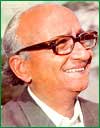 Gopalakrishna Adiga is one of the most influential modern (ನವ್ಯ) Kannada poets. His style was typical of ನವೋದಯ before he took an U-turn from 'ನಡೆದು ಬಂದ ದಾರಿ' onwards, largely being inspired by poetry of T.S.Eliot and Y.B.Yeats. Here, I am trying to analyse his famous 'ಮೋಹನ ಮುರಲಿ'.
೧೯೪೮ ರಲ್ಲಿ ಪ್ರಕಟವಾದ 'ಕಟ್ಟುವೆವು ನಾವು' ಕವನಸಂಕಲನದ ಕವಿತೆ ಇಂದಿಗೂ ಇಷ್ಟೊಂದು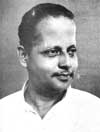 ಜನಪ್ರೀಯವಾಗಿರಲು ಕಾರಣ ಮೈಸೂರು ಅನಂತಸ್ವಾಮಿ. ಬಹುಷಃ ಅನಂತಸ್ವಾಮಿ ಅದಕ್ಕೆ ಸಂಗೀತ ಸಂಯೋಜಿಸಿರದಿದ್ದರೆ, ಜನಸಾಮಾನ್ಯರು ಈ ಪದ್ಯದಿಂದ ವಂಚಿತರಾಗುತ್ತಿದ್ದರೋ ಏನೋ? (ಈ ಪದ್ಯವನ್ನು ಕನ್ನಡ ಸಿನೆಮಾ 'ಅಮೇರಿಕಾ, ಅಮೇರಿಕಾ'ದಲ್ಲಿ 'आपकी नजरॊ ने समझा' ಧಾಟಿಯಲ್ಲಿ ಹಾಡಿಸಿ, ಚಿತ್ರಕ್ಕೂ ಹಾಡಿಗೂ ಸಾಂಬಂಧವಿಲ್ಲದಂತೆ ನಾಗತಿಹಳ್ಲಿ ಚಂದ್ರಶೇಖರ್ ಕವನದ ಅತ್ಯಾಚಾರ ಮಾಡಿದ್ದಾರೆ, ಆ ಮಾತು ಬೇರೆ, ಬಿಡಿ). ಈ ಪದ್ಯ ನನ್ನ ಅಚ್ಚುಮೆಚ್ಚಿನ ಪದ್ಯಗಳಲ್ಲಿ ಒಂದು. ಈ ಕವನದ ಆಶಯವನ್ನು, ಧ್ವನಿಯನ್ನು ಚಿಂತಿಸುವುದೇ ಈ ಲೇಖನದ ಉದ್ದೇಶ.
ಕವಿತೆಯ ಭಾಷೆ ಸರಳವಾಗಿದೆ ಮತ್ತು ನವೋದಯ ಕಾಲದ ಕವಿತೆಯ ಆಶಯದಲ್ಲೇ ಇದೆ. ೧೪ ಸಾಲುಗಳ ಪುಟ್ಟ ಕವನವಿದು (ಸಾನೆಟ್ ಅನುಕರಣೆಯಾಗಿರಬಹುದೇ?). ಜೋಡಿ ಸಾಲುಗಳಲ್ಲಿ ಸಾಗುವ ಅಂತ್ಯ ಪ್ರಾಸದ ಪದ್ಯ ಕೊನೆಯ ಎರಡು ಸಾಲುಗಳು ಮೊದಲಿನೆರೆಡು ಸಾಲುಗಳ ನಕಲಿನಂತಿದೆ. ಮೊದಲು ಕವನವನ್ನು ಓದೋಣ:
ಯಾವ ಮೋಹನ ಮುರಲಿ ಕರೆಯಿತು ದೂರ ತೀರಕೆ ನಿನ್ನನು?
ಯಾವ ಬೃಂದಾವನವು ಸೆಳೆಯಿತು ನಿನ್ನ ಮಣ್ಣಿನ ಕಣ್ಣನು?
ಹೂವು ಹಾಸಿಗೆ ಚಂದ್ರ ಚಂದನ ಬಾಹುಬಂಧನ ಚುಂಬನ
ಬಯಕೆ ತೋಟದ ಬೇಲಿಯೊಳಗೆ ಕರಣಗಣದಿ ರಿಂಗಣ
ಒಲಿದ ಮಿದುವೆದೆ, ರಕ್ತ ಮಾಂಸದ ಬಿಸಿದು ಸೋಂಕಿನ ಪಂಜರ
ಇಷ್ಟೇ ಸಾಕೆಂದಿದ್ದೆಯಲ್ಲೋ, ಇಂದು ಏನಿದು ಬೇಸರ?
ಮರದೊಳಡಗಿದ ಬೆಂಕಿಯಂತೆ ಎಲ್ಲೋ ಮಲಗಿದೆ ಬೇಸರ
ಏನೋ ತೀಡಲು ಏನೋ ತಾಗಲು ಹೊತ್ತಿ ಉರಿವುದು ಕಾತರ
ಸಪ್ತಸಾಗರದಾಚೆಯೆಲ್ಲೋ ಸುಪ್ತಸಾಗರ ಕಾದಿದೆ
ಮೊಳೆಯದಲೆಗಳ ಮೂಕ ಮರ್ಮರ ಇಂದು ಇಲ್ಲಿಗೂ ಹಾಯಿತೇ?
ಏನಿದೇನಿದು ಹೊರಳುಗಣ್ಣಿನ ತೇಲುನೋಟದ ಸೂಚನೆ?
ಯಾವ ಸುಮಧುರ ಯಾತನೆ?! ಯಾವ ದಿವ್ಯದ ಯಾಚನೆ..?
ವಿವಶವಾಯಿತು ಪ್ರಾಣ, ಹಾ! ಪರವಶವು ನನ್ನೀ ಚೇತನ
ಇರುವುದೆಲ್ಲವ ಬಿಟ್ಟು ಇರದುದರೆಡೆಗೆ ತುಡಿವುದೇ ಜೀವನ?
ಯಾವ ಮೋಹನ ಮುರಲಿ ಕರೆಯಿತು ಇದ್ದಕಿದ್ದೊಲೆ ನಿನ್ನನು?
ಯಾವ ಬೃಂದಾವನವು ಚಾಚಿತು ತನ್ನ ಮಿಂಚಿನ ಕೈಯನು?
------------------------------------------------------------------------------------------------
೧:
'ಯಾವ ಮೋಹನ ಮುರಲಿ ಕರೆಯಿತು ದೂರ ತೀರಕೆ ನಿನ್ನನು?
ಯಾವ ಬೃಂದಾವನವು ಸೆಳೆಯಿತು ನಿನ್ನ ಮಣ್ಣಿನ ಕಣ್ಣನು? '
 ಕವಿತ ಪ್ರಶ್ನೆಗಳಿಂದ ಶುರುವಾಗುತ್ತದೆ ಎಂಬುದನ್ನು ಗಮನಿಸಿದರೆ, ಇದೊಂದು atypical ನವೋದಯ ಕವಿತೆ ಎಂಬುವುದರಲ್ಲಿ ಸಂಶಯವೇ ಇಲ್ಲ. 'ಮೋಹನ ಮುರಲಿ'ಯ ಪ್ರತಿಮೆ ಕನ್ನಡಕಾವ್ಯ ಲೋಕಕ್ಕೆ ಹೊಸತೇನಲ್ಲ, ಅದರಲ್ಲೂ ಪು.ತಿ.ನ ರ ಕವಿತೆಗಳನ್ನು ಓದಿದವರಿಗೆ ಕೃಷ್ಣ ಮತ್ತು ಆತನ ಕೊಳಲಿನ ಬಗ್ಗೆ ಏನೂ ಹೇಳಬೇಕಿಲ್ಲ. ಕವಿತೆ ನಾಯಕ ಸ್ವಗತದಲ್ಲಿ ತನಗೆ ತಾನೆ 2nd person ನಲ್ಲಿ ಮಾತಾಡಿಕೊಂಡಂತಿದೆ. ಕಾವ್ಯದ ನಾಯಕ ಯುವಕ (ಆತ ಯಾವುದರಲ್ಲಿ ನಿರತನಾಗಿದ್ದ ಎಂಬುವುದನ್ನು ಕವಿತೆ ಮುಂದೆ ಹೇಳುತ್ತದೆ), ಆತನಿಗೆ ಕೊಳಲಿನ ಧ್ವನಿ ಕೇಳುತ್ತಿದೆ, ಅದು ಮೋಹನವಾಗಿದೆ (ಅಥವಾ ಮೋಹನದ್ದಾಗಿದೆ) ಎಂದು ನಾಯಕನಿಗೆ ಗೊತ್ತು, ಅದು ದೂರತೀರದಿಂದ ಬರುತ್ತಿದೆ ಎಂದೂ ಗೊತ್ತು, ಅದು ಬೃಂದಾವನದ ಸೆಳೆತವೆಂದೂ ಗೊತ್ತು. ಆದರೂ ನಾಯಕನಲ್ಲಿ ಈ ಪ್ರಶ್ನೆಗಳೆದ್ದಿವೆ.
ಮೋಹನ, ಮುರಲಿ, ಬೃಂದಾವನ - ಈ ಮೂರೂ ಪ್ರತಿಮೆಗಳು ಭಾರತೀಯ ತತ್ವಜ್ನ್ಯಾನವನ್ನು (to be politically correct - Indian Vedic philosophical quest) ನೇರವಾಗಿ ಸೂಚಿಸುತ್ತವೆ. 'ಮೋಹನ', ಮೋಹಕವಾದ ಕೊಳಳಿನ ನಾದ ಅಥವಾ ಕೃಷ್ಣ ಅಥವಾ ಎರಡೂ ಅರ್ಥವನ್ನು ಸೂಚಿಸಬಹುದು. ಮುರಲಿ (ಕೊಳಲು), ಕೃಷ್ಣನ (in broader sense - ಭಾರತದ ತತ್ವಜ್ನ್ಯಾನದ) ಉಪದೇಶದ ಸಂಕೇತ. ಬೃಂದಾವನ - ಕೃಷ್ಣ ನೆಲೆಸಿದ ಜಾಗ, ಕವಿತೆಯಲ್ಲಿ ನಾಯಕನನ್ನು ಕಾಡುವ ಕರ್ಮಭೂಮಿಯಾಗುತ್ತದೆ.
------------------------------------------------------------------------------------------------
೨:
ಹೂವು ಹಾಸಿಗೆ ಚಂದ್ರ ಚಂದನ ಬಾಹುಬಂಧನ ಚುಂಬನ
ಬಯಕೆ ತೋಟದ ಬೇಲಿಯೊಳಗೆ ಕರಣಗಣದಿ ರಿಂಗಣ
ಈ ಎರೆಡು ಸಾಲುಗಳಲ್ಲಿ ನಾಯಕನ ಮನಸ್ಸು- ದೇಹಗಳ ಕ್ರಿಯೆಯನ್ನು ಕವಿ ವರ್ಣಿಸುತ್ತಾರೆ. ಈ ಎರೆಡು ಸಾಲು ಗಳು ಅಡಿಗರ ನವೋದಯ ಕಾಲದ ಕವನಗಳ ಸುಂದರ ಸಾಲುಗಳು; ಈ ಸಾಲುಗಳಲ್ಲಿ ಲಯ, ಪ್ರಾಸ, ಅರ್ಥಗಳು ಒಂದಕ್ಕೊಂದು ಎಷ್ಟು ಸುಂದರವಾಗಿ ಪೋಣಿಸಿದಂತಿವೆ! ಕ್ರಿಯಾಪದಗಳಿಲ್ಲದ ಈ ಸಾಲುಗಳಲ್ಲಿ ಬರುವ ಪದಪುಂಜಗಳು ಮನಸ್ಸಿನ canvas ಮೇಲೆ ಸುಂದರ ಚಿತ್ರವನ್ನು, in no time, ಸೃಷ್ಟಿಸುತ್ತವೆ.
ಹೂವು - ಎಂದಕೂಡಲೇ ಹೂವಿನ ನುಣುಪು ಮತ್ತು ಪರಿಮಳದ ಅನುಭವವಾಗುತ್ತದೆ; ಹಾಸಿಗೆ - ಎನ್ನುತ್ತಿರುವಂತೇ, ಹಾಸಿಗೆಯ ಮೇಲೆ ಚಿಲ್ಲಿದ ಹೂಗಳ ಚಿತ್ರ ಮೂಡಿ ಗಂಡು-ಹೆಣ್ಣಿನ ಮಿಲನಮಹೋತ್ಸವದ ಕಲ್ಪನೆ ಶುರುವಾಗುತ್ತದೆ; ಚಂದ್ರ ಚಂದನ - ಪರಿಸರವನ್ನು ಇನ್ನಷ್ಟು romantic ಮಾಡುತ್ತಾರೆ; ನಂತರದ ಪ್ರಾಸಬದ್ಧ ಪದಗಳು ಪ್ರಣಯದ ಆಟಗಳು - ಬಾಹುಬಂಧನ ಚುಂಬನ.
ದೇಹ-ಮನಸ್ಸುಗಳು ಪ್ರಣಯದಲ್ಲಿ ಉನ್ಮತ್ತವಾಗಿವೆ. ಕವಿ, ಈ ಪ್ರಣಯೋನ್ಮಾದಕ್ಕೆ ಚಕ್ಕನೇ ತೋಟದ ಪ್ರತಿಮೆಯನ್ನು ತೊಡಿಸುತ್ತಾರೆ ಮತ್ತು ಅದು ಬೇಲಿಯಿರುವ ತೋಟವೆಂದು ಹೇಳುತ್ತ, ಪ್ರಣಯಿಗಳ ಪ್ರಣಯವನ್ನು ಉತ್ಸವವೆಂದು ಕರೆಯದೇ, ರಿಂಗಣವೆಂದು ಕರೆಯುತ್ತಾರೆ, ಎಂದರೆ ಬೇಲಿ ಹಾಕಿದ ತೋಟದಲ್ಲಿ ಹಾಕುವ ಗಿರಗಿಟ್ಲೆಗೆ (ಮಾಡಿದ್ದನ್ನೇ ಮಾಡುವ) ಪ್ರಣಯವನ್ನು ಹೋಲಿಸುತ್ತಾರೆ.
ಗಮನಿಸಿ: ಮೊದಲಿನ ಸಾಲಿನ romantic ಸುಂದರ ಪ್ರಣಯದ ಚಿತ್ರ ಎರಡನೇ ಸಾಲಿಗೆ ಬರುವಷ್ಟರಲ್ಲಿ ಪ್ರಣಯ ಒಂದು ತರಹದ ಬಂಧನ ಈ ತರಹದ ಬದುಕಿನಲ್ಲಿರಬಹುದೇ ಎಂಬ ಪ್ರಶ್ನೆಯನ್ನು ಓದುಗನಲ್ಲಿ ತರುತ್ತದೆ. ಅಡಿಗರ ಕವಿತ್ವ ಈ ಎರೆಡು ಸಾಲುಗಳಲ್ಲಿ ಎಷ್ಟೊಂದು ಹೇಳುತ್ತದೆ!
------------------------------------------------------------------------------------------------
೩:
ಒಲಿದ ಮಿದುವೆದೆ, ರಕ್ತ ಮಾಂಸದ ಬಿಸಿದು ಸೋಂಕಿನ ಪಂಜರ
ಇಷ್ಟೇ ಸಾಕೆಂದಿದ್ದೆಯಲ್ಲೋ, ಇಂದು ಏನಿದು ಬೇಸರ?
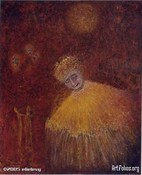
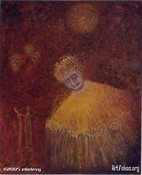
'ಮಿದುವೆದೆ', ಎಂಬ ಶಬ್ದ ಅನಂತಸ್ವಾಮಿಗೆ ಅಶ್ಲೀಲವಾಗಿ ಕಂಡಿತೋ ಏನೋ, ಮೈಸೂರು ಅನಂತಸ್ವಾಮಿ ಈ ಸಾಲನ್ನು sensor ಮಾಡಿದ್ದಾರೆ. ಇದುವರೆಗೂ ಯಾವ ಹಾಡುಗಾರರೂ ಈ ಎರೆಡು ಸಾಲು ಹಾಡಿದ್ದು ನಾನು ಕೇಳಿಲ್ಲ.
ಹಿಂದಿನ ಸಾಲಿನ 'ಬೇಲಿ', ಈ ಸಾಲಿನಲ್ಲಿ ಇನ್ನೂ ಮುಂದುವರೆದು 'ಪಂಜರ' ವಾಗುತ್ತದೆ. ಯೌವನದಲ್ಲಿ ಪ್ರೀತಿ-ಪ್ರಣಯ-ರಾಸಲೀಲೆಗಳಿದ್ದರೆ ಸಾಕು, ಇನ್ನೇನು ಬೇಕು ಮನಸ್ಸಿಗೆ-ದೇಹಕ್ಕೆ? ಆದರೆ ಕವನದ ಯುವನಾಯಕನಿಗೆ ಎಲ್ಲೋ ಒಂದು ಕಡೆ ಬೇಸರ ಶುರುವಾಗಿದೆ; ಏಕೆಂದರೆ ಯೌವನದ ಬಯಕೆ, 'ಬೇಲಿ' ಬಿಟ್ಟು ಆಚೆ ಹೋಗಲೊಲ್ಲದು. ಪ್ರಣಯ-ಪ್ರೇಮ ಮಾಡಿದ್ದನ್ನೇ ಮಾಡುವ 'ರಿಂಗಣ'. ಯೌವನದ ಅನ್ಮತ್ತ ದೇಹ 'ಪಂಜರ'.
------------------------------------------------------------------------------------------------
೪:
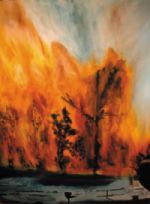
ಮರದೊಳಡಗಿದ ಬೆಂಕಿಯಂತೆ ಎಲ್ಲೋ ಮಲಗಿದೆ ಬೇಸರ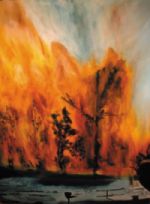
ಏನೋ ತೀಡಲು ಏನೋ ತಾಗಲು ಹೊತ್ತಿ ಉರಿವುದು ಕಾತರ
ನಾಯಕನ ಬೇಸರ ನಿಧಾನವಾಗಿ ಬೆಳೆದದ್ದು, ಚಕ್ಕನೇ ಬಂದ ಸ್ಖಲನ ವೈರಾಗ್ಯವಲ್ಲ ಎಂಬುದನ್ನು 'ಮರದೊಳಡಗಿದ ಬೆಂಕಿಯಂತೆ' ಎಂದು ಅಡಿಗರು ಹಳೆಯ ಪ್ರತಿಮೆಯನ್ನು ತಂದಿದ್ದಾರೆ. ಅಂಥ ಬೇಸರ ಹೊತ್ತಿ ಉರಿದು ಕಾಳ್ಗಿಚ್ಚಾದಾಗ ಅದು ಕಾತರವಾಗುತ್ತದೆ. ಕಾಳ್ಗಿಚ್ಚು ಏಳುವುದು ಮರಕ್ಕೆ ಮರ ತೀಡಿದಾಗ. ಅಡಗಿದ ಬೇಸರ ಕಾಳ್ಗಿಚ್ಚಿನ ಕಾತರವಾಗುವುದು 'ಏನು' ತೀಡಲು, 'ಏನು' ತಾಗಲು ಎಂಬುದನ್ನು ಮಾತ್ರ ಅಡಿಗರು ನಮ್ಮ ಊಹೆಗೆ ಬಿಡುತ್ತಾರೆ. ಬೇಕೆನಿಸಿದ್ದೆಲ್ಲ ಬಳಿಯಲ್ಲಿರುವಾಗ ಒಮ್ಮೆಲೇ ಏಕೆ ಬೇಸರ ಮೂಡುತ್ತದೆ; ಆ ಬೇಸರ ಇನ್ಯಾವುದೋ ಕಾತರಕ್ಕೆ ಯಾವಾಗ ಏಕೆ ತಿರುಗುತ್ತದೆ ಎಂದು ಅರ್ಥವಾದವರು ಯಾರಾದರೂ ಇದ್ದಾರೆಯೇ?
-----------------------------------------------------------------------------------------------
೫:
ಸಪ್ತಸಾಗರದಾಚೆಯೆಲ್ಲೋ ಸುಪ್ತಸಾಗರ ಕಾದಿದೆ
ಮೊಳೆಯದಲೆಗಳ ಮೂಕ ಮರ್ಮರ ಇಂದು ಇಲ್ಲಿಗೂ ಹಾಯಿತೇ?
ಮೊದಲಿನ ಸಾಲಿನಲ್ಲಿ ಬರುವ 'ತೀರ', ಹತ್ತಿರದ ನದಿಯ ಆಚೆ ದಡವಲ್ಲ, ' ಸಪ್ತಸಾಗರದಾಚೆ'ಗಿದೆಯೆನ್ನುವುದುನ್ನು ಕವಿ ಇಲ್ಲಿ ಹೇಳುತ್ತಾರೆ. ಆ ತೀರವೇನೂ ಶಾಂ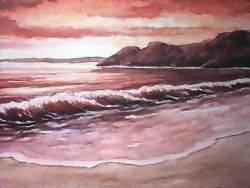 ತ ತೀರವಲ್ಲ, ಅದರಾಳದಲ್ಲಿ 'ಸುಪ್ತಸಾಗರ' ನಾಯಕನಿಗಾಗಿ ಕಾಯುತ್ತಿದೆ ಎನ್ನುತ್ತಾರೆ. ನಾಯಕನಿಗೆ ಪಯಣಿಸಬೇಕಾದ ದೂರ ಗೊತ್ತಿದೆಯೋ ಇಲ್ಲವೋ? ಏಳು ಸಮುದ್ರದಾಚೆ ಪಯಣಿಸಿ ರಾಜಕುಮಾರಿಯನ್ನು ಗೆಲ್ಲುವ ಮಕ್ಕಳ ಕತೆ ಇಲ್ಲಿ ಹೊಸ ಪ್ರತಿಮೆಯಂತೆ ಮೂಡಿಬಂದಿದೆ. ಅಷ್ಟೇ ಅಲ್ಲ ಆ ಸುಪ್ತಸಾಗರದ ಅಲೆಗಳ ಮರ್ಮರ ನಾಯಕನಿಗೆ ತಾಕಿತೇ? ಎಂದು ಕವಿ ಪ್ರಶ್ನಿಸುತ್ತಾರೆ. ಇಲ್ಲಿರುವ ಪ್ರತಿಮೆಗಳ ಎಷ್ಟು ಅರ್ಥಪೂರ್ಣವಾಗಿವೆ ಎಂದು ನೋಡಿ: ನಾಯಕನಿಗಾಗಿ ಕಾದಿರುವ ಸಾಗರ ' ಸುಪ್ತ'; ಆ 'ಸುಪ್ತ'ಸಾಗರದ ಅಲೆಗಳು ಇನ್ನೂ 'ಮೊಳೆತಿಲ್ಲ'; ಆ ಮೊಳೆಯದೆಲೆಗಳು ಸಮುದ್ರದ್ದಾಗಿದ್ದರೂ ಭೋರ್ಗೆರೆತಗಳಿಲ್ಲ, ಆದರೆ ಮರ್ಮರಗಳಿವೆ, ಆ ಮರ್ಮರಗಳೋ ' ಮೂಕ'ವಾಗಿವೆ; ಅಂಥ 'ಮೂಕ' ಮರ್ಮರಗಳೊ ನಾಯಕನಿರುವಲ್ಲಿಗೂ ಬಂದು ತಲುಪಿದವೇ? ತಲುಪದಿದ್ದರೆ 'ಇದ್ದಕಿದ್ದೊಲೆ' ನಾಯಕ 'ದೂರ ತೀರಕ್ಕೇಕೆ' ಹಂಬಲಿಸುತ್ತಿದ್ದ? ಈ ಎರೆಡು ಸಾಲುಗಳು ನನಗೆ ತುಂಬ ಇಷ್ಟ, ನಿಮಗೆ?
------------------------------------------------------------------------------------------------
೬: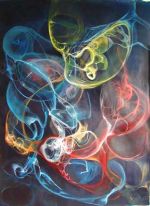
ವಿವಶವಾಯಿತು ಪ್ರಾಣ, ಹಾ! ಪರವಶವು ನನ್ನೀ ಚೇತನ
ಇರುವುದೆಲ್ಲವ ಬಿಟ್ಟು ಇರದುದರೆಡೆಗೆ ತುಡಿವುದೇ ಜೀವನ?
ಇಂಥ ಬಿರುಗಾಳಿಯಲ್ಲಿ ಸಿಲುಕಿದ ನಾಯಕನ ಮನಸು (ಪ್ರಾಣ, ಚೇತನ) ಒದ್ದಾಡುತ್ತಿದೆ, ತುಡಿಯುತ್ತಿದೆ, ಒಳಗೊಳಗೇ ಕೇಳುತ್ತಿದೆ. ಯಾಕೆ ಬೇಕು ಬೇಕು ಎಂದು ಬಯಸಿದ ಬದುಕು ಬೇಸರವಾಗುತ್ತಿದೆ? ಯಾಕೆ ಸಪ್ತಸಾಗರದಾಚೆಯ ಸುಪ್ತಸಾಗರದ ಮೊಳೆಯದಲೆಗಳ ಮೂಕಮರ್ಮರಕ್ಕೆ ಮನಸ್ಸು ವಿವಶವಾಗುತ್ತದೆ? ಜೇವನವೆಂದರೆ ಇದೇನಾ - ಇರುವುದು ಬೇಡವಾಗುವುದು, ಇರದುದು ಬೇಕಾಗುವುದು? ಎರಡನೇ ಸಾಲು assertive ಅಲ್ಲ, ಬದಲಿಗೆ ಪ್ರಶ್ನಾರ್ಥಕವಾಗಿದೆ, ಆದ್ದರಿಂದಲೇ ಇದೊಂದು ಶ್ರೇಷ್ಟ ಕವನವಾಗಿದೆ.
------------------------------------------------------------------------------------------------
೭:
ಯಾವ ಮೋಹನ ಮುರಲಿ ಕರೆಯಿತು ಇದ್ದಕಿದ್ದೊಲೆ ನಿನ್ನನು?
ಯಾವ ಬೃಂದಾವನವು ಚಾಚಿತು ತನ್ನ ಮಿಂಚಿನ ಕೈಯನು?
ಕೊನೆಯ ಎರಡು ಸಾಲುಗಳು ಮೊದಲೆರೆಡು ಸಾಲುಗಳಂತೆ ಕಂಡರೂ 'ಇದ್ದಕಿದ್ದೊಲೆ' ಮತ್ತು 'ಮಿಂಚಿನ ಕೈ' ಎಂಬ ಬದಲಾವಣೆಗಳು ಕವನದ ಅರ್ಥವನ್ನು ಹೆಚ್ಚಿಸುತ್ತದೆ.
------------------------------------------------------------------------------------------------
ಸರಳಿಸಿ ನೋಡಿದರೆ, ಪ್ರೇಮ-ಕಾಮ-ಲೈಂಗಿಕತೆಯೇ (ಒಲಿದ ಮಿದುವೆದೆ, ರಕ್ತ ಮಾಂಸ) ಜೀವನವೆಂದು ತಿಳಿದ ಯುವ ನಾಯಕ ಆಧ್ಯಾತ್ಮದತ್ತ (ಮೋಹನ, ಮುರಲಿ, ಬೃಂದಾವನ) ತಿರುಗುವ ಪ್ರಕ್ರಿಯೆ ಈ ಕವಿತೆಯ ಆಶಯ ಎನ್ನಬಹುದು ಮತ್ತು ಈ ಆಶಯ ಕನ್ನಡಕ್ಕೆ, ಭಾರತೀಯ ತತ್ವಶಾಸ್ತ್ರಕ್ಕೆ ತುಂಬ ಹಳೆಯದೇ. ಆದರೆ ಕವಿತೆ ಇಷ್ಟವಾಗುವುದು ರಚನೆಯಲ್ಲಿ (ಸಪ್ತಸಾಗರ, ಸುಪ್ತಸಾಗರ, ಮೊಳೆಯದಲೆಗಳು, ಮೂಕಮರ್ಮರ) ಮತ್ತು ಅದು ಕೇಳುವ universal ಪ್ರಶ್ನೆಗಳಲ್ಲಿ, 'ಇರುವುದೆಲ್ಲವ ಬಿಟ್ಟು ಇರದುದರೆಡೆಗೆ ತುಡಿವುದೇ ಜೀವನ?'. ಪ್ರತಿ ಸಲ ಓದಿದಾಗಲೂ ಅದು ಪ್ರಶ್ನೆ ಕೇಳಿ ನಮ್ಮನ್ನು ಚಿಂತಿಸಲು ತೊಡಗಿಸುವಲ್ಲಿ.
ನಾನೀಗ ನಿಮ್ಮನ್ನು ಕೇಳಿವುದು ಇದನ್ನೇ - ಇರುವುದೆಲ್ಲವ ಬಿಟ್ಟು ಇರದುದರೆಡೆಗೆ ತುಡಿವುದೇ ಜೀವನ?
 Gopalakrishna Adiga is one of the most influential modern (ನವ್ಯ) Kannada poets. His style was typical of ನವೋದಯ before he took an U-turn from 'ನಡೆದು ಬಂದ ದಾರಿ' onwards, largely being inspired by poetry of T.S.Eliot and Y.B.Yeats. Here, I am trying to analyse his famous 'ಮೋಹನ ಮುರಲಿ'.
೧೯೪೮ ರಲ್ಲಿ ಪ್ರಕಟವಾದ 'ಕಟ್ಟುವೆವು ನಾವು' ಕವನಸಂಕಲನದ ಕವಿತೆ ಇಂದಿಗೂ ಇಷ್ಟೊಂದು
 ಜನಪ್ರೀಯವಾಗಿರಲು ಕಾರಣ ಮೈಸೂರು ಅನಂತಸ್ವಾಮಿ. ಬಹುಷಃ ಅನಂತಸ್ವಾಮಿ ಅದಕ್ಕೆ ಸಂಗೀತ ಸಂಯೋಜಿಸಿರದಿದ್ದರೆ, ಜನಸಾಮಾನ್ಯರು ಈ ಪದ್ಯದಿಂದ ವಂಚಿತರಾಗುತ್ತಿದ್ದರೋ ಏನೋ? (ಈ ಪದ್ಯವನ್ನು ಕನ್ನಡ ಸಿನೆಮಾ 'ಅಮೇರಿಕಾ, ಅಮೇರಿಕಾ'ದಲ್ಲಿ 'आपकी नजरॊ ने समझा' ಧಾಟಿಯಲ್ಲಿ ಹಾಡಿಸಿ, ಚಿತ್ರಕ್ಕೂ ಹಾಡಿಗೂ ಸಾಂಬಂಧವಿಲ್ಲದಂತೆ ನಾಗತಿಹಳ್ಲಿ ಚಂದ್ರಶೇಖರ್ ಕವನದ ಅತ್ಯಾಚಾರ ಮಾಡಿದ್ದಾರೆ, ಆ ಮಾತು ಬೇರೆ, ಬಿಡಿ). ಈ ಪದ್ಯ ನನ್ನ ಅಚ್ಚುಮೆಚ್ಚಿನ ಪದ್ಯಗಳಲ್ಲಿ ಒಂದು. ಈ ಕವನದ ಆಶಯವನ್ನು, ಧ್ವನಿಯನ್ನು ಚಿಂತಿಸುವುದೇ ಈ ಲೇಖನದ ಉದ್ದೇಶ.
ಕವಿತೆಯ ಭಾಷೆ ಸರಳವಾಗಿದೆ ಮತ್ತು ನವೋದಯ ಕಾಲದ ಕವಿತೆಯ ಆಶಯದಲ್ಲೇ ಇದೆ. ೧೪ ಸಾಲುಗಳ ಪುಟ್ಟ ಕವನವಿದು (ಸಾನೆಟ್ ಅನುಕರಣೆಯಾಗಿರಬಹುದೇ?). ಜೋಡಿ ಸಾಲುಗಳಲ್ಲಿ ಸಾಗುವ ಅಂತ್ಯ ಪ್ರಾಸದ ಪದ್ಯ ಕೊನೆಯ ಎರಡು ಸಾಲುಗಳು ಮೊದಲಿನೆರೆಡು ಸಾಲುಗಳ ನಕಲಿನಂತಿದೆ. ಮೊದಲು ಕವನವನ್ನು ಓದೋಣ:
ಯಾವ ಮೋಹನ ಮುರಲಿ ಕರೆಯಿತು ದೂರ ತೀರಕೆ ನಿನ್ನನು?
ಯಾವ ಬೃಂದಾವನವು ಸೆಳೆಯಿತು ನಿನ್ನ ಮಣ್ಣಿನ ಕಣ್ಣನು?
ಹೂವು ಹಾಸಿಗೆ ಚಂದ್ರ ಚಂದನ ಬಾಹುಬಂಧನ ಚುಂಬನ

ಬಯಕೆ ತೋಟದ ಬೇಲಿಯೊಳಗೆ ಕರಣಗಣದಿ ರಿಂಗಣ

ಒಲಿದ ಮಿದುವೆದೆ, ರಕ್ತ ಮಾಂಸದ ಬಿಸಿದು ಸೋಂಕಿನ ಪಂಜರ
ಇಷ್ಟೇ ಸಾಕೆಂದಿದ್ದೆಯಲ್ಲೋ, ಇಂದು ಏನಿದು ಬೇಸರ?
ಮರದೊಳಡಗಿದ ಬೆಂಕಿಯಂತೆ ಎಲ್ಲೋ ಮಲಗಿದೆ ಬೇಸರ
ಏನೋ ತೀಡಲು ಏನೋ ತಾಗಲು ಹೊತ್ತಿ ಉರಿವುದು ಕಾತರ
ಸಪ್ತಸಾಗರದಾಚೆಯೆಲ್ಲೋ ಸುಪ್ತಸಾಗರ ಕಾದಿದೆ
ಮೊಳೆಯದಲೆಗಳ ಮೂಕ ಮರ್ಮರ ಇಂದು ಇಲ್ಲಿಗೂ ಹಾಯಿತೇ?
ಏನಿದೇನಿದು ಹೊರಳುಗಣ್ಣಿನ ತೇಲುನೋಟದ ಸೂಚನೆ?
ಯಾವ ಸುಮಧುರ ಯಾತನೆ?! ಯಾವ ದಿವ್ಯದ ಯಾಚನೆ..?
ವಿವಶವಾಯಿತು ಪ್ರಾಣ, ಹಾ! ಪರವಶವು ನನ್ನೀ ಚೇತನ
ಇರುವುದೆಲ್ಲವ ಬಿಟ್ಟು ಇರದುದರೆಡೆಗೆ ತುಡಿವುದೇ ಜೀವನ?
ಯಾವ ಮೋಹನ ಮುರಲಿ ಕರೆಯಿತು ಇದ್ದಕಿದ್ದೊಲೆ ನಿನ್ನನು?
ಯಾವ ಬೃಂದಾವನವು ಚಾಚಿತು ತನ್ನ ಮಿಂಚಿನ ಕೈಯನು?
------------------------------------------------------------------------------------------------
೧:
'ಯಾವ ಮೋಹನ ಮುರಲಿ ಕರೆಯಿತು ದೂರ ತೀರಕೆ ನಿನ್ನನು?
ಯಾವ ಬೃಂದಾವನವು ಸೆಳೆಯಿತು ನಿನ್ನ ಮಣ್ಣಿನ ಕಣ್ಣನು? '
 ಕವಿತ ಪ್ರಶ್ನೆಗಳಿಂದ ಶುರುವಾಗುತ್ತದೆ ಎಂಬುದನ್ನು ಗಮನಿಸಿದರೆ, ಇದೊಂದು atypical ನವೋದಯ ಕವಿತೆ ಎಂಬುವುದರಲ್ಲಿ ಸಂಶಯವೇ ಇಲ್ಲ. 'ಮೋಹನ ಮುರಲಿ'ಯ ಪ್ರತಿಮೆ ಕನ್ನಡಕಾವ್ಯ ಲೋಕಕ್ಕೆ ಹೊಸತೇನಲ್ಲ, ಅದರಲ್ಲೂ ಪು.ತಿ.ನ ರ ಕವಿತೆಗಳನ್ನು ಓದಿದವರಿಗೆ ಕೃಷ್ಣ ಮತ್ತು ಆತನ ಕೊಳಲಿನ ಬಗ್ಗೆ ಏನೂ ಹೇಳಬೇಕಿಲ್ಲ. ಕವಿತೆ ನಾಯಕ ಸ್ವಗತದಲ್ಲಿ ತನಗೆ ತಾನೆ 2nd person ನಲ್ಲಿ ಮಾತಾಡಿಕೊಂಡಂತಿದೆ. ಕಾವ್ಯದ ನಾಯಕ ಯುವಕ (ಆತ ಯಾವುದರಲ್ಲಿ ನಿರತನಾಗಿದ್ದ ಎಂಬುವುದನ್ನು ಕವಿತೆ ಮುಂದೆ ಹೇಳುತ್ತದೆ), ಆತನಿಗೆ ಕೊಳಲಿನ ಧ್ವನಿ ಕೇಳುತ್ತಿದೆ, ಅದು ಮೋಹನವಾಗಿದೆ (ಅಥವಾ ಮೋಹನದ್ದಾಗಿದೆ) ಎಂದು ನಾಯಕನಿಗೆ ಗೊತ್ತು, ಅದು ದೂರತೀರದಿಂದ ಬರುತ್ತಿದೆ ಎಂದೂ ಗೊತ್ತು, ಅದು ಬೃಂದಾವನದ ಸೆಳೆತವೆಂದೂ ಗೊತ್ತು. ಆದರೂ ನಾಯಕನಲ್ಲಿ ಈ ಪ್ರಶ್ನೆಗಳೆದ್ದಿವೆ.
ಮೋಹನ, ಮುರಲಿ, ಬೃಂದಾವನ - ಈ ಮೂರೂ ಪ್ರತಿಮೆಗಳು ಭಾರತೀಯ ತತ್ವಜ್ನ್ಯಾನವನ್ನು (to be politically correct - Indian Vedic philosophical quest) ನೇರವಾಗಿ ಸೂಚಿಸುತ್ತವೆ. 'ಮೋಹನ', ಮೋಹಕವಾದ ಕೊಳಳಿನ ನಾದ ಅಥವಾ ಕೃಷ್ಣ ಅಥವಾ ಎರಡೂ ಅರ್ಥವನ್ನು ಸೂಚಿಸಬಹುದು. ಮುರಲಿ (ಕೊಳಲು), ಕೃಷ್ಣನ (in broader sense - ಭಾರತದ ತತ್ವಜ್ನ್ಯಾನದ) ಉಪದೇಶದ ಸಂಕೇತ. ಬೃಂದಾವನ - ಕೃಷ್ಣ ನೆಲೆಸಿದ ಜಾಗ, ಕವಿತೆಯಲ್ಲಿ ನಾಯಕನನ್ನು ಕಾಡುವ ಕರ್ಮಭೂಮಿಯಾಗುತ್ತದೆ.
------------------------------------------------------------------------------------------------
೨:
ಹೂವು ಹಾಸಿಗೆ ಚಂದ್ರ ಚಂದನ ಬಾಹುಬಂಧನ ಚುಂಬನ
ಬಯಕೆ ತೋಟದ ಬೇಲಿಯೊಳಗೆ ಕರಣಗಣದಿ ರಿಂಗಣ
ಈ ಎರೆಡು ಸಾಲುಗಳಲ್ಲಿ ನಾಯಕನ ಮನಸ್ಸು- ದೇಹಗಳ ಕ್ರಿಯೆಯನ್ನು ಕವಿ ವರ್ಣಿಸುತ್ತಾರೆ. ಈ ಎರೆಡು ಸಾಲು
 ಗಳು ಅಡಿಗರ ನವೋದಯ ಕಾಲದ ಕವನಗಳ ಸುಂದರ ಸಾಲುಗಳು; ಈ ಸಾಲುಗಳಲ್ಲಿ ಲಯ, ಪ್ರಾಸ, ಅರ್ಥಗಳು ಒಂದಕ್ಕೊಂದು ಎಷ್ಟು ಸುಂದರವಾಗಿ ಪೋಣಿಸಿದಂತಿವೆ! ಕ್ರಿಯಾಪದಗಳಿಲ್ಲದ ಈ ಸಾಲುಗಳಲ್ಲಿ ಬರುವ ಪದಪುಂಜಗಳು ಮನಸ್ಸಿನ canvas ಮೇಲೆ ಸುಂದರ ಚಿತ್ರವನ್ನು, in no time, ಸೃಷ್ಟಿಸುತ್ತವೆ.
ಹೂವು - ಎಂದಕೂಡಲೇ ಹೂವಿನ ನುಣುಪು ಮತ್ತು ಪರಿಮಳದ ಅನುಭವವಾಗುತ್ತದೆ; ಹಾಸಿಗೆ - ಎನ್ನುತ್ತಿರುವಂತೇ, ಹಾಸಿಗೆಯ ಮೇಲೆ ಚಿಲ್ಲಿದ ಹೂಗಳ ಚಿತ್ರ ಮೂಡಿ ಗಂಡು-ಹೆಣ್ಣಿನ ಮಿಲನಮಹೋತ್ಸವದ ಕಲ್ಪನೆ ಶುರುವಾಗುತ್ತದೆ; ಚಂದ್ರ ಚಂದನ - ಪರಿಸರವನ್ನು ಇನ್ನಷ್ಟು romantic ಮಾಡುತ್ತಾರೆ; ನಂತರದ ಪ್ರಾಸಬದ್ಧ ಪದಗಳು ಪ್ರಣಯದ ಆಟಗಳು - ಬಾಹುಬಂಧನ ಚುಂಬನ.
ದೇಹ-ಮನಸ್ಸುಗಳು ಪ್ರಣಯದಲ್ಲಿ ಉನ್ಮತ್ತವಾಗಿವೆ. ಕವಿ, ಈ ಪ್ರಣಯೋನ್ಮಾದಕ್ಕೆ ಚಕ್ಕನೇ ತೋಟದ ಪ್ರತಿಮೆಯನ್ನು ತೊಡಿಸುತ್ತಾರೆ ಮತ್ತು ಅದು ಬೇಲಿಯಿರುವ ತೋಟವೆಂದು ಹೇಳುತ್ತ, ಪ್ರಣಯಿಗಳ ಪ್ರಣಯವನ್ನು ಉತ್ಸವವೆಂದು ಕರೆಯದೇ, ರಿಂಗಣವೆಂದು ಕರೆಯುತ್ತಾರೆ, ಎಂದರೆ ಬೇಲಿ ಹಾಕಿದ ತೋಟದಲ್ಲಿ ಹಾಕುವ ಗಿರಗಿಟ್ಲೆಗೆ (ಮಾಡಿದ್ದನ್ನೇ ಮಾಡುವ) ಪ್ರಣಯವನ್ನು ಹೋಲಿಸುತ್ತಾರೆ.
ಗಮನಿಸಿ: ಮೊದಲಿನ ಸಾಲಿನ romantic ಸುಂದರ ಪ್ರಣಯದ ಚಿತ್ರ ಎರಡನೇ ಸಾಲಿಗೆ ಬರುವಷ್ಟರಲ್ಲಿ ಪ್ರಣಯ ಒಂದು ತರಹದ ಬಂಧನ ಈ ತರಹದ ಬದುಕಿನಲ್ಲಿರಬಹುದೇ ಎಂಬ ಪ್ರಶ್ನೆಯನ್ನು ಓದುಗನಲ್ಲಿ ತರುತ್ತದೆ. ಅಡಿಗರ ಕವಿತ್ವ ಈ ಎರೆಡು ಸಾಲುಗಳಲ್ಲಿ ಎಷ್ಟೊಂದು ಹೇಳುತ್ತದೆ!
------------------------------------------------------------------------------------------------
೩:
ಒಲಿದ ಮಿದುವೆದೆ, ರಕ್ತ ಮಾಂಸದ ಬಿಸಿದು ಸೋಂಕಿನ ಪಂಜರ
ಇಷ್ಟೇ ಸಾಕೆಂದಿದ್ದೆಯಲ್ಲೋ, ಇಂದು ಏನಿದು ಬೇಸರ?
'ಮಿದುವೆದೆ', ಎಂಬ ಶಬ್ದ ಅನಂತಸ್ವಾಮಿಗೆ ಅಶ್ಲೀಲವಾಗಿ ಕಂಡಿತೋ ಏನೋ, ಮೈಸೂರು ಅನಂತಸ್ವಾಮಿ ಈ ಸಾಲನ್ನು sensor ಮಾಡಿದ್ದಾರೆ. ಇದುವರೆಗೂ ಯಾವ ಹಾಡುಗಾರರೂ ಈ ಎರೆಡು ಸಾಲು ಹಾಡಿದ್ದು ನಾನು ಕೇಳಿಲ್ಲ.
ಹಿಂದಿನ ಸಾಲಿನ 'ಬೇಲಿ', ಈ ಸಾಲಿನಲ್ಲಿ ಇನ್ನೂ ಮುಂದುವರೆದು 'ಪಂಜರ' ವಾಗುತ್ತದೆ. ಯೌವನದಲ್ಲಿ ಪ್ರೀತಿ-ಪ್ರಣಯ-ರಾಸಲೀಲೆಗಳಿದ್ದರೆ ಸಾಕು, ಇನ್ನೇನು ಬೇಕು ಮನಸ್ಸಿಗೆ-ದೇಹಕ್ಕೆ? ಆದರೆ ಕವನದ ಯುವನಾಯಕನಿಗೆ ಎಲ್ಲೋ ಒಂದು ಕಡೆ ಬೇಸರ ಶುರುವಾಗಿದೆ; ಏಕೆಂದರೆ ಯೌವನದ ಬಯಕೆ, 'ಬೇಲಿ' ಬಿಟ್ಟು ಆಚೆ ಹೋಗಲೊಲ್ಲದು. ಪ್ರಣಯ-ಪ್ರೇಮ ಮಾಡಿದ್ದನ್ನೇ ಮಾಡುವ 'ರಿಂಗಣ'. ಯೌವನದ ಅನ್ಮತ್ತ ದೇಹ 'ಪಂಜರ'.
------------------------------------------------------------------------------------------------
೪:
ಮರದೊಳಡಗಿದ ಬೆಂಕಿಯಂತೆ ಎಲ್ಲೋ ಮಲಗಿದೆ ಬೇಸರ
ಏನೋ ತೀಡಲು ಏನೋ ತಾಗಲು ಹೊತ್ತಿ ಉರಿವುದು ಕಾತರ
ನಾಯಕನ ಬೇಸರ ನಿಧಾನವಾಗಿ ಬೆಳೆದದ್ದು, ಚಕ್ಕನೇ ಬಂದ ಸ್ಖಲನ ವೈರಾಗ್ಯವಲ್ಲ ಎಂಬುದನ್ನು 'ಮರದೊಳಡಗಿದ ಬೆಂಕಿಯಂತೆ' ಎಂದು ಅಡಿಗರು ಹಳೆಯ ಪ್ರತಿಮೆಯನ್ನು ತಂದಿದ್ದಾರೆ. ಅಂಥ ಬೇಸರ ಹೊತ್ತಿ ಉರಿದು ಕಾಳ್ಗಿಚ್ಚಾದಾಗ ಅದು ಕಾತರವಾಗುತ್ತದೆ. ಕಾಳ್ಗಿಚ್ಚು ಏಳುವುದು ಮರಕ್ಕೆ ಮರ ತೀಡಿದಾಗ. ಅಡಗಿದ ಬೇಸರ ಕಾಳ್ಗಿಚ್ಚಿನ ಕಾತರವಾಗುವುದು 'ಏನು' ತೀಡಲು, 'ಏನು' ತಾಗಲು ಎಂಬುದನ್ನು ಮಾತ್ರ ಅಡಿಗರು ನಮ್ಮ ಊಹೆಗೆ ಬಿಡುತ್ತಾರೆ. ಬೇಕೆನಿಸಿದ್ದೆಲ್ಲ ಬಳಿಯಲ್ಲಿರುವಾಗ ಒಮ್ಮೆಲೇ ಏಕೆ ಬೇಸರ ಮೂಡುತ್ತದೆ; ಆ ಬೇಸರ ಇನ್ಯಾವುದೋ ಕಾತರಕ್ಕೆ ಯಾವಾಗ ಏಕೆ ತಿರುಗುತ್ತದೆ ಎಂದು ಅರ್ಥವಾದವರು ಯಾರಾದರೂ ಇದ್ದಾರೆಯೇ?
-----------------------------------------------------------------------------------------------
೫:
ಸಪ್ತಸಾಗರದಾಚೆಯೆಲ್ಲೋ ಸುಪ್ತಸಾಗರ ಕಾದಿದೆ
ಮೊಳೆಯದಲೆಗಳ ಮೂಕ ಮರ್ಮರ ಇಂದು ಇಲ್ಲಿಗೂ ಹಾಯಿತೇ?
ಮೊದಲಿನ ಸಾಲಿನಲ್ಲಿ ಬರುವ 'ತೀರ', ಹತ್ತಿರದ ನದಿಯ ಆಚೆ ದಡವಲ್ಲ, ' ಸಪ್ತಸಾಗರದಾಚೆ'ಗಿದೆಯೆನ್ನುವುದುನ್ನು ಕವಿ ಇಲ್ಲಿ ಹೇಳುತ್ತಾರೆ. ಆ ತೀರವೇನೂ ಶಾಂ
 ತ ತೀರವಲ್ಲ, ಅದರಾಳದಲ್ಲಿ 'ಸುಪ್ತಸಾಗರ' ನಾಯಕನಿಗಾಗಿ ಕಾಯುತ್ತಿದೆ ಎನ್ನುತ್ತಾರೆ. ನಾಯಕನಿಗೆ ಪಯಣಿಸಬೇಕಾದ ದೂರ ಗೊತ್ತಿದೆಯೋ ಇಲ್ಲವೋ? ಏಳು ಸಮುದ್ರದಾಚೆ ಪಯಣಿಸಿ ರಾಜಕುಮಾರಿಯನ್ನು ಗೆಲ್ಲುವ ಮಕ್ಕಳ ಕತೆ ಇಲ್ಲಿ ಹೊಸ ಪ್ರತಿಮೆಯಂತೆ ಮೂಡಿಬಂದಿದೆ. ಅಷ್ಟೇ ಅಲ್ಲ ಆ ಸುಪ್ತಸಾಗರದ ಅಲೆಗಳ ಮರ್ಮರ ನಾಯಕನಿಗೆ ತಾಕಿತೇ? ಎಂದು ಕವಿ ಪ್ರಶ್ನಿಸುತ್ತಾರೆ. ಇಲ್ಲಿರುವ ಪ್ರತಿಮೆಗಳ ಎಷ್ಟು ಅರ್ಥಪೂರ್ಣವಾಗಿವೆ ಎಂದು ನೋಡಿ: ನಾಯಕನಿಗಾಗಿ ಕಾದಿರುವ ಸಾಗರ ' ಸುಪ್ತ'; ಆ 'ಸುಪ್ತ'ಸಾಗರದ ಅಲೆಗಳು ಇನ್ನೂ 'ಮೊಳೆತಿಲ್ಲ'; ಆ ಮೊಳೆಯದೆಲೆಗಳು ಸಮುದ್ರದ್ದಾಗಿದ್ದರೂ ಭೋರ್ಗೆರೆತಗಳಿಲ್ಲ, ಆದರೆ ಮರ್ಮರಗಳಿವೆ, ಆ ಮರ್ಮರಗಳೋ ' ಮೂಕ'ವಾಗಿವೆ; ಅಂಥ 'ಮೂಕ' ಮರ್ಮರಗಳೊ ನಾಯಕನಿರುವಲ್ಲಿಗೂ ಬಂದು ತಲುಪಿದವೇ? ತಲುಪದಿದ್ದರೆ 'ಇದ್ದಕಿದ್ದೊಲೆ' ನಾಯಕ 'ದೂರ ತೀರಕ್ಕೇಕೆ' ಹಂಬಲಿಸುತ್ತಿದ್ದ? ಈ ಎರೆಡು ಸಾಲುಗಳು ನನಗೆ ತುಂಬ ಇಷ್ಟ, ನಿಮಗೆ?
------------------------------------------------------------------------------------------------
೬:

ವಿವಶವಾಯಿತು ಪ್ರಾಣ, ಹಾ! ಪರವಶವು ನನ್ನೀ ಚೇತನ
ಇರುವುದೆಲ್ಲವ ಬಿಟ್ಟು ಇರದುದರೆಡೆಗೆ ತುಡಿವುದೇ ಜೀವನ?
ಇಂಥ ಬಿರುಗಾಳಿಯಲ್ಲಿ ಸಿಲುಕಿದ ನಾಯಕನ ಮನಸು (ಪ್ರಾಣ, ಚೇತನ) ಒದ್ದಾಡುತ್ತಿದೆ, ತುಡಿಯುತ್ತಿದೆ, ಒಳಗೊಳಗೇ ಕೇಳುತ್ತಿದೆ. ಯಾಕೆ ಬೇಕು ಬೇಕು ಎಂದು ಬಯಸಿದ ಬದುಕು ಬೇಸರವಾಗುತ್ತಿದೆ? ಯಾಕೆ ಸಪ್ತಸಾಗರದಾಚೆಯ ಸುಪ್ತಸಾಗರದ ಮೊಳೆಯದಲೆಗಳ ಮೂಕಮರ್ಮರಕ್ಕೆ ಮನಸ್ಸು ವಿವಶವಾಗುತ್ತದೆ? ಜೇವನವೆಂದರೆ ಇದೇನಾ - ಇರುವುದು ಬೇಡವಾಗುವುದು, ಇರದುದು ಬೇಕಾಗುವುದು? ಎರಡನೇ ಸಾಲು assertive ಅಲ್ಲ, ಬದಲಿಗೆ ಪ್ರಶ್ನಾರ್ಥಕವಾಗಿದೆ, ಆದ್ದರಿಂದಲೇ ಇದೊಂದು ಶ್ರೇಷ್ಟ ಕವನವಾಗಿದೆ.
------------------------------------------------------------------------------------------------
೭:
ಯಾವ ಮೋಹನ ಮುರಲಿ ಕರೆಯಿತು ಇದ್ದಕಿದ್ದೊಲೆ ನಿನ್ನನು?
ಯಾವ ಬೃಂದಾವನವು ಚಾಚಿತು ತನ್ನ ಮಿಂಚಿನ ಕೈಯನು?
ಕೊನೆಯ ಎರಡು ಸಾಲುಗಳು ಮೊದಲೆರೆಡು ಸಾಲುಗಳಂತೆ ಕಂಡರೂ 'ಇದ್ದಕಿದ್ದೊಲೆ' ಮತ್ತು 'ಮಿಂಚಿನ ಕೈ' ಎಂಬ ಬದಲಾವಣೆಗಳು ಕವನದ ಅರ್ಥವನ್ನು ಹೆಚ್ಚಿಸುತ್ತದೆ.
------------------------------------------------------------------------------------------------
ಸರಳಿಸಿ ನೋಡಿದರೆ, ಪ್ರೇಮ-ಕಾಮ-ಲೈಂಗಿಕತೆಯೇ (ಒಲಿದ ಮಿದುವೆದೆ, ರಕ್ತ ಮಾಂಸ) ಜೀವನವೆಂದು ತಿಳಿದ ಯುವ ನಾಯಕ ಆಧ್ಯಾತ್ಮದತ್ತ (ಮೋಹನ, ಮುರಲಿ, ಬೃಂದಾವನ) ತಿರುಗುವ ಪ್ರಕ್ರಿಯೆ ಈ ಕವಿತೆಯ ಆಶಯ ಎನ್ನಬಹುದು ಮತ್ತು ಈ ಆಶಯ ಕನ್ನಡಕ್ಕೆ, ಭಾರತೀಯ ತತ್ವಶಾಸ್ತ್ರಕ್ಕೆ ತುಂಬ ಹಳೆಯದೇ. ಆದರೆ ಕವಿತೆ ಇಷ್ಟವಾಗುವುದು ರಚನೆಯಲ್ಲಿ (ಸಪ್ತಸಾಗರ, ಸುಪ್ತಸಾಗರ, ಮೊಳೆಯದಲೆಗಳು, ಮೂಕಮರ್ಮರ) ಮತ್ತು ಅದು ಕೇಳುವ universal ಪ್ರಶ್ನೆಗಳಲ್ಲಿ, 'ಇರುವುದೆಲ್ಲವ ಬಿಟ್ಟು ಇರದುದರೆಡೆಗೆ ತುಡಿವುದೇ ಜೀವನ?'. ಪ್ರತಿ ಸಲ ಓದಿದಾಗಲೂ ಅದು ಪ್ರಶ್ನೆ ಕೇಳಿ ನಮ್ಮನ್ನು ಚಿಂತಿಸಲು ತೊಡಗಿಸುವಲ್ಲಿ.
ನಾನೀಗ ನಿಮ್ಮನ್ನು ಕೇಳಿವುದು ಇದನ್ನೇ - ಇರುವುದೆಲ್ಲವ ಬಿಟ್ಟು ಇರದುದರೆಡೆಗೆ ತುಡಿವುದೇ ಜೀವನ?
Subscribe to:
Posts (Atom)